
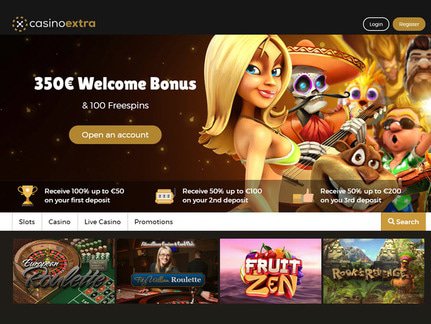
New slot releases can be appealing, but a fresh-looking lobby is not automatically a useful one. For Canadian adults comparing new online casino sites, the practical question is whether the site makes games easy to identify, filter and understand before money is involved. New Casino has limited publicly documented information about its exact catalogue, providers and mobile setup, so a careful navigation process is more useful than assuming particular titles or features are available. The approach below focuses on checking what is visible, what is missing and how efficiently a lobby supports informed choices.
Start with the lobby, not the promotional language
A good first visit should answer basic navigation questions quickly. Can you see a clear games menu? Are slots separated from table games, live dealer content and other categories? Is there a search field, and does it return sensible results when you enter a provider, theme or title? These details matter because a large catalogue is difficult to use when every game appears in one undifferentiated feed.
Look for labels that describe what the page actually contains. “New releases” might mean games added recently, games newly listed by the operator or simply titles currently being promoted. Similarly, “popular” may reflect recent activity, editorial selection or a commercial placement. Unless the site explains its labels, treat them as navigation aids rather than evidence that a game is objectively better or more likely to pay.
Page behaviour is another important test. Filters should remain visible or easy to reopen, thumbnails should load without obscuring the game name and the lobby should not repeatedly return you to the top after every selection. On a smaller screen, check whether menus, search controls and game information remain usable. A polished layout can still be inconvenient if it makes basic details hard to reach.
Use filters to narrow new releases sensibly
When exploring new online slot games Canada players may encounter, begin with broad filters and narrow them gradually. A sensible sequence is category, theme, feature and then title or provider. Starting with several restrictive filters at once can produce an empty result that reflects the interface rather than the catalogue. Reset the filters after each search so you know which selection changed the results.
Useful filter names should be reasonably specific. “Jackpots,” “buy features,” “megaways,” “cluster pays” and “bonus rounds” describe different mechanics or presentation styles, although terminology can vary between operators. If a filter has no explanation, open individual game information before assuming that every title in the category works in the same way.
Do not treat sorting options as predictions. “Newest,” “trending” and “most played” can help with discovery, but they do not show which game has the best return, lowest volatility or greatest chance of a particular outcome. A short demonstration or a few spins cannot establish those properties. If a game page provides statistical information, read the full description and check whether the figures apply to the selected version, bet range and currency.
Check each game card before opening it
A useful game card should identify the title clearly and provide enough information to distinguish it from similar releases. Look for the developer or provider name, an indication of whether the game is a slot, and a route to rules or paytable information. If the card shows only an image and a play button, you may need to open the title to find the details, but do not assume missing information will be supplied later.
The rules or information panel is where navigation becomes more than visual browsing. Check the winning combinations, special symbols, bonus mechanics and any feature conditions. Some games use several modes or changing reels, so the first screen may not explain every possibility. Pay attention to terminology such as “ways,” “lines,” “clusters” and “multiplier,” since these affect how wins are calculated.
Also inspect whether the game page identifies its version and stake settings. Similar titles can appear in multiple editions, while a mobile layout may hide controls visible on desktop. The accessible material for New Casino does not verify a public game catalogue, named providers or a confirmed list of new titles. Therefore, any provider, game count or category claim should be checked directly in the live lobby rather than copied from an unrelated listing.
Separate useful information from missing information
Limited public information is not automatically proof that a site lacks a feature, but it does affect how confidently you can plan a visit. If a site does not publish a catalogue, you cannot reliably know in advance whether it carries a particular release, provider or game mechanic. The sensible response is to treat availability as unconfirmed and inspect the operator’s own pages before making an account or financial decision.
The same principle applies to regional usability. Public material does not clearly confirm which Canadian provinces are supported, whether accounts can use CAD, or whether particular local payment methods are available. Those are separate questions from whether a lobby loads. Do not infer access, currency or payment compatibility from a Canadian-facing language option or from the presence of a Canadian search result.
When information is incomplete, keep a written checklist rather than relying on impressions. Record whether the site identifies the operator, explains age and account requirements, displays game rules, provides accessible help and states any restrictions relevant to you. For broader guidance about gambling and related risks, the Responsible Gambling Council’s public information is a useful independent starting point. It does not confirm the features of any particular casino.

Make mobile navigation part of the decision
Many people discover games on a phone, where a poorly arranged lobby can make comparison harder. Test whether the search field is easy to activate, whether filters fit on the screen and whether game titles remain readable without opening every card. A page that works on desktop may still have awkward scrolling, overlapping buttons or menus that close unexpectedly on mobile.
Check how the site handles returning to results. After viewing a game’s rules, you should be able to return to the same filtered list rather than rebuilding the search. Also notice whether the page loads excessive promotional panels before the games, since these can make it difficult to reach the information you actually need. Browser compatibility, stable loading and legible text are practical usability concerns, not merely cosmetic preferences.

No confirmed native iOS or Android application has been established for this brand, and the available material does not verify an app, downloadable Android file or progressive web application. That means readers should not assume an app exists because a generic search result mentions one. Use only software or installation instructions clearly connected to the operator’s own domain, and avoid downloading files from unofficial pages.
Questions about browsing new slot lobbies
How can I tell whether a slot is genuinely new?
Look for a dated release label, provider information or an operator explanation of its “new” category. Without those details, the label may simply indicate recent placement in the lobby. A title appearing in a new-games row is not conclusive proof of its original release date or exclusive availability.
Should I choose games by popularity or newest status?
Popularity and recency are useful for discovering titles, but neither predicts results. They may reflect promotion, recent activity or editorial sorting. Use those filters to build a shortlist, then read each game’s rules, mechanics and available statistical information before deciding whether it suits your preferences and limits.
What if a Canadian casino lobby does not show enough information?
Pause rather than filling the gaps with assumptions. Check the operator’s stated terms, game rules, regional requirements and support information. If catalogue details, currency, access or account conditions remain unclear, regard them as unconfirmed and consider whether the site provides enough transparency for your intended use.